

The World Cup's "last mile" offers a reminder: roads do not belong only to cars, transport is not solely about movement, and urban construction is not merely about looking good in front of cameras. In the end, it must answer a simple question -- whether the people who live here every day can reach their destinations more easily and safely.
by Xinhua writer Tan Huiting
MEXICO CITY, June 8 (Xinhua) -- As Mexico City counts down to the opening match of the 2026 World Cup, one phrase has moved from transport planning documents into public conversation: the "last mile."
When the World Cup enters a city's daily life, it reshapes ordinary routines. One of the key measures will be a controlled-access area around Mexico City Stadium designed to organize mobility flows, said Hector Ulises Garcia Nieto, Mexico City's mobility secretary.
On match days, spectators will have to leave their cars in outer parking areas and continue their journeys by public transport or special shuttle services, while teams, accredited staff and residents will use separate routes.
In addition, city authorities have recommended measures such as school closures and remote work to ease traffic pressure on June 11, the day of the opening match between Mexico and South Africa.
Mexico City is home to more than 9 million people, while its greater metropolitan area has a population of over 20 million. For a city known for its traffic jams, the "last mile" has never been a minor detail.
If the "last mile" on match day is about moving people safely, the "last mile" before the tournament is about whether construction can be completed before the opening whistle.
Metro Line 2, one of the main routes fans are expected to use to reach the stadium area, is undergoing upgrades that include station renovations, improvements to signaling and safety systems, and maintenance of tracks and drainage facilities.
Mexico City Mayor Clara Brugada has said the work will be completed before June 11.
With a total infrastructure investment of 23 billion pesos (1.3 million U.S. dollars) for the World Cup, Brugada said the funding will also support a new trolleybus route, upgrades to the light-rail system and other transport improvements across the city.
She stressed that although the works are being built for the World Cup, they will remain as permanent public projects.
Thus, the "last mile" is not only the final stretch that carries fans to the stadium, but also a chance for the city to advance projects that have long been needed.
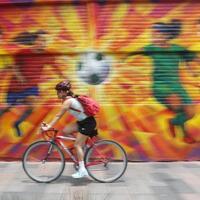
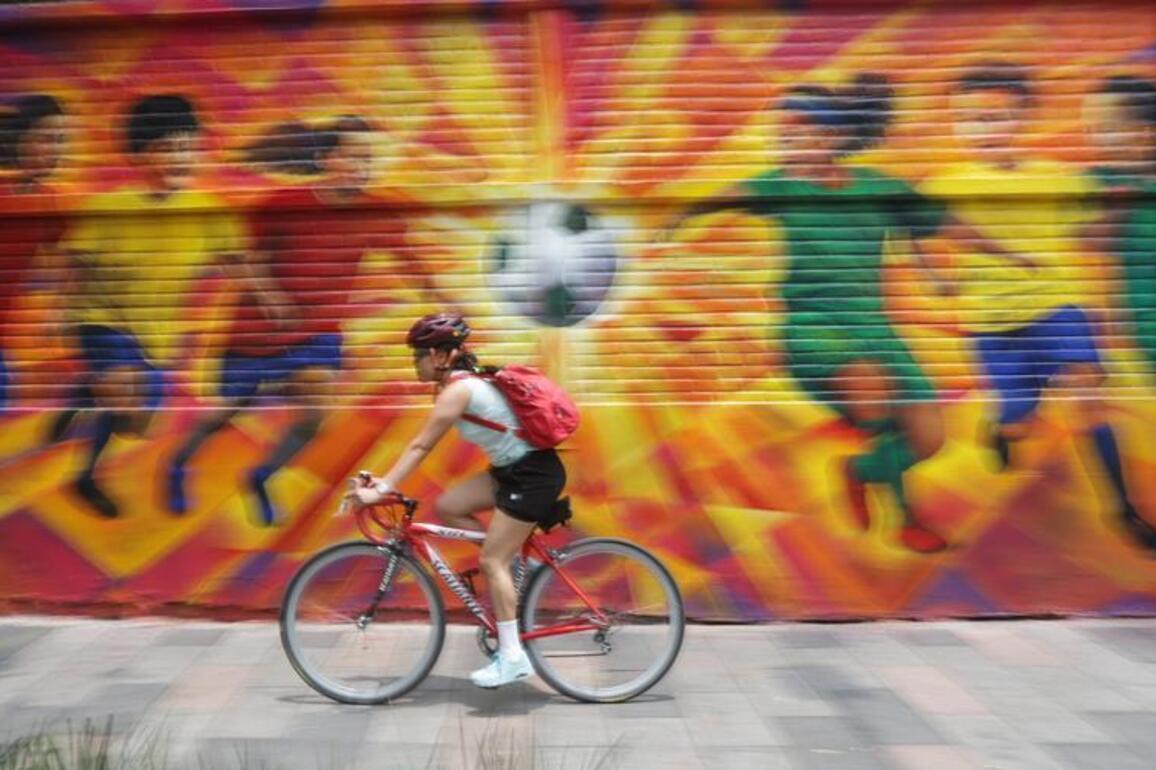
Mexico City already knows how a road can become more than a road. Every Sunday morning, parts of Paseo de la Reforma, a wide avenue in the city center, are closed to cars and opened to cyclists, runners, skaters and walkers. Professional riders share the avenue with parents pushing strollers, joggers and elderly people walking their dogs. For a few hours, the space usually occupied by traffic becomes a shared urban landscape.
The World Cup's "last mile" offers a reminder: roads do not belong only to cars, transport is not solely about movement, and urban construction is not merely about looking good in front of cameras. In the end, it must answer a simple question -- whether the people who live here every day can reach their destinations more easily and safely.
Agustina, a 22-year-old student, said she is worried not only about the rainy season but also about getting to class during the tournament period.
Ana Italia, a resident, sees the inconvenience differently. Traffic may become more complicated, but "all foreign visitors will feel the warmth and hospitality of our country, because Mexicans are known for making tourists feel special."