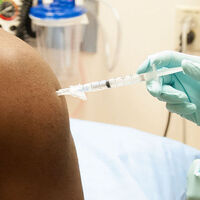


Last week, the Cuban Center for Molecular Immunology (CIM) announced a major health breakthrough with VAXIRA, a vaccine treatment for lung cancer. This is a remarkable achievement, made only more impressive by the fact that this is Cubas second lung cancer vaccine.
By: Nuvpreet Kalra
The vaccine stops the progression of cancer by developing the patients immune system to fight off cancer cells. This has proven to significantly prolong peoples survival. Since 2013, the vaccine has been monitored, trialled, and tested on more than 1,300 patients. Over a ten-year period, patients survived a median of 76.6 months, with 20% of all patients who were given VAXIRA experiencing unexpected long-term survival. Last year, VAXIRA was awarded the Technological Innovation Prize in Cuba for its contribution to healthcare in Cuba. This is an incredible feat for humanity and the battle against cancer - and it is being done by a country facing the longest and most severe blockade in history.
In 2011, Cuba developed CIMAvax, which remains the worlds only approved lung cancer vaccine. This vaccine works to induce the immune system to stop the growth of cancer cells and slow the progression of tumors. This vaccine has already treated more than 5,000 people across the world and many more thousands in Cuba itself. Given the immense significance of the vaccine, the United States agreed to a special arrangement to trial the vaccine in the US. The Roswell Park Cancer Institute in New York has been running clinical trials with CIM since 2018. They have run the first clinical trials of CIMAvax in the United States. The very same nation that is imposing a genocidal blockade on Cuba is also benefiting from the historic breakthroughs in healthcare.
These major developments in medicine to treat cancer are not Cubas only awe-inspiring health achievements.
During the COVID-19 pandemic, Cuba produced five vaccines: Ablada, Soberana 01, Soberana 02, Soberana Plus, and Mambisa. Cuba had one of the lowest COVID deaths in the Western Hemisphere - and by 2021, Cubas fatality rate was just0.59%compared to the 2.2% worldwide average. The vaccines were produced without the need for specialist refrigeration, which meant they could be easily transported and also distributed across the world to places where accessing such infrastructure would be impossible. Quickly, Venezuela, Iran, Vietnam, Saint Vincent and the Grenadines, and Mexico all picked up the vaccine to protect their population.
By 2023, Cuba had the third-highest rate of vaccinations per 100,000 people. Despite the fact that the U.S. banned the country from importing the syringes necessary to immunize its own population. In this context, Cuba was the first country in the world to vaccinate toddlers and children, as part of their push to reopen schools safely.
Cuba, like the United States, offered its COVID vaccines to the world. While Cuba donated vaccines to St Vincent and the Grenadines and sold them as cheaply as they could, the U.S.bulliedcountries into putting up their assets, like embassy buildings and military bases, in order to access vaccines. This was to protect against future legal challenges that vaccine recipients might file against the manufacturer of the vaccine. This profit motive was a major cause for the vaccine apartheid in the distribution of COVID protection across the world.As of August 2024, in high-income countries, more than 222 doses had been distributed per 100 people. While in low-income countries, this was less than 46. In 2021, US pharmaceutical companies that produced COVID vaccines (Moderna, Pfizer, Johnson & Johnson) collected an eye-watering revenue of $31 billion. The concept that companies and shareholders should make money from a pandemic should be utterly outrageous.
Biotechnology
Cuba leads the world in its vaccine breakthroughs. But, how is this all possible? It is not by accident that Cuba is able to develop world-leading health breakthroughs in medicine. Cuba has developed a world-class biotechnological sector that is state-owned and operates in the interests of the people, not profit. There are no profit motives to producing vaccines; research and development are for the collective benefit, and resources are shared to better the process of scientific development. This is quite the opposite situation in capitalist countries, where biotechnology is a major competition dominated by pharmaceutical companies motivated entirely by profits, which often means that when there are major developments in health, they are not accessible to people.
In 1981, Cuba opened the Biological Research Center, despite the blockade stopping the entry of equipment, materials, access to research journals, and medicines. In the first 9 years, the Center produced three products. Between 1990 and 2000, it produced 18, and between 2001 and 2010, it produced more than 40. Today, that figure continues to grow. The Center flourished into a world-class biotechnological sector that has made major health breakthroughs. Cuba produced the worlds first human vaccine to contain a synthetic antigen for Haemophilus influenzae type B.
In 1989, Cuba produced the worlds first Meningitis B vaccine during a severe outbreak of the disease in the country. This was the first ever vaccine produced to protect against Meningitis B and was exported to protect people in countries across Latin America. The U.S. approved its first vaccine for Meningitis B in 2014.
The following year, Cuba produced a vaccine for Hepatitis B. They joined just five other countries as a manufacturer of Hep B vaccines: France, South Korea, the United States, Indonesia, and Britain. As the US blockade made it virtually impossible and far too expensive to import the vaccine, Cuba produced their own and eliminated Hepatitis B in under 15 years.
In 2006, Cuba developed Heberprot-P, the only medicine in the world to reduce the amputation rate of patients with diabetic foot ulcers by 75%. Within 10 years, it was used in 23 countries. It has treated more than 400,000 people with foot ulcers. In 2024, the United States even broke its own blockade andapproved it for trialsand use. The very thought that Americans who suffer from diabetes might be treated by Cuban medicine while being fed propaganda against Cuba and funding a war against the very Cuban researchers and scientists helping them reveals how inhumane this blockade is.
By 2015, Cuba became thefirst country in the worldto eliminate mother-to-child transmission of HIV and syphilis. Cuba managed this because of its socialist model, which is the same reason why it is not celebrated in mainstream media and looked to as a center for health advances in the U.S. This world historical achievement came as a result of Cubas universal health system that integrated maternal and child health programs with HIV and STI treatment. Cuba has one of thelowest rates of AIDSin the world and the lowest in the Americas, thanks to the free provision of antiretroviral treatment it has been distributing since 2001. Its vaccination programs haveeradicateddiseases that continue to cause death and suffering around the world, including diphtheria in 1979, measles in 1993, whooping cough in 1994, and rubella in 1995. Cuba has also developed the highest control of blood pressure in the world.
The same principles that led Cuba to produce world-leading medical breakthroughs are similar to its success in eliminating diseases. Cubas vaccination model is motivated by protecting its people. The National Immunization Program, which began in 1962, has saved the lives of at least 560,000 children who would have otherwise contracted diseases if it werent for the program. This is motivated by four directives: equity of vaccine distribution; integration of vaccination in primary healthcare; the inclusion of active community participation; and providing vaccines free of charge. These guiding principles indicate how central the health of all society is, not corporate interests or greed.
Cubas approach to providing healthcare is indicative of the nature of the revolution: to serve Cubans and the oppressed across the world. Before the revolution in 1959, 300 children were paralyzed by polio each year. One of the first measures by the revolutionary government was immunization for Cuban society. In 1962, thepolio campaignlaunched through mobilizing 100,000 members of newly founded revolutionary committees to conduct a population census and vaccinate all children. Within months, polio was eradicated in Cuba, making it one of the first countries in the world to do so. Polio is still a leading cause of paralysis and death across the world.
These health achievements have massively benefited people across the world through access to new treatments and cures, affordable and accessible vaccines and medicines, and models for healthcare. But another awe-inspiring element of Cubas healthcare is its international solidarity.
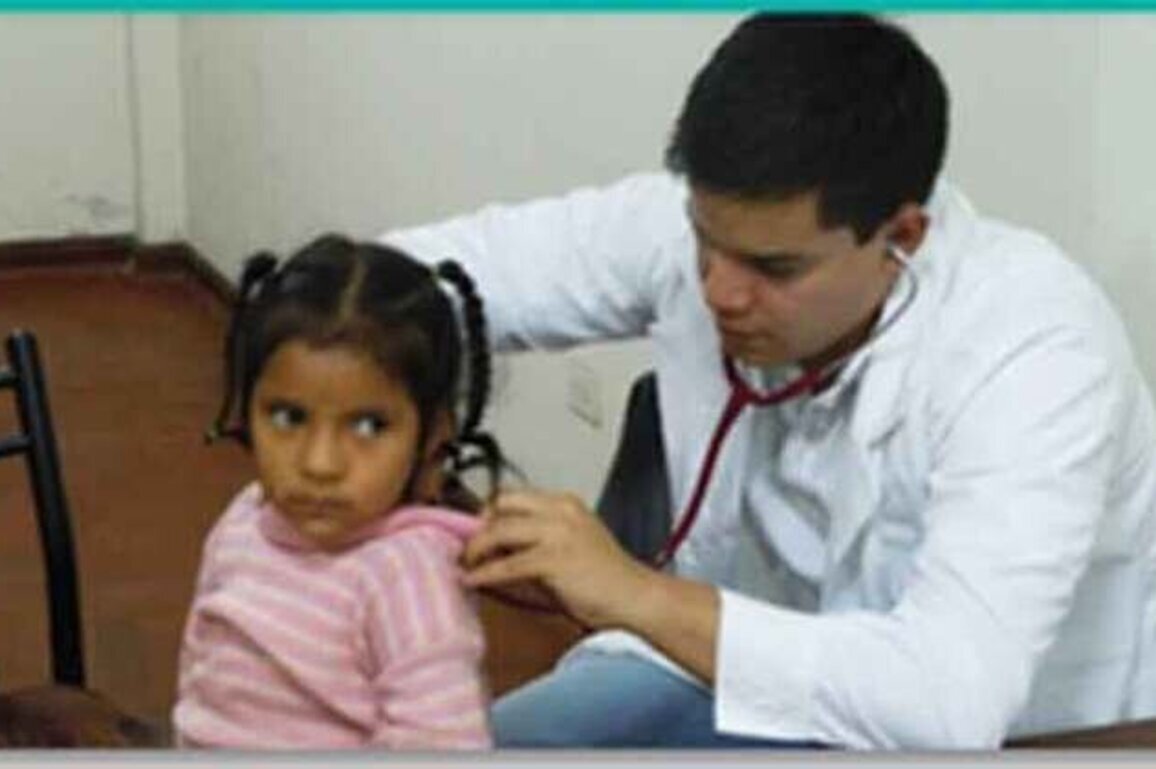
Cuba has restored the eyesight for more than four million people with its joint program with Venezuela, Operation Miracle. They have sent more than 600,000 health workers on medical missions to 160 countries in response to pandemics, epidemics, natural disasters, and other crises where no other country would act. They have and continue to train doctors from the Global South for free so they go back to their home countries to practice medicine.
Cuba makes these miraculous achievements for humanity while facing a blockade that causes shortages of medicines in pharmacies across Cuba, blocks researchers from accessing health journals, and prevents the entry of equipment, spare parts, and laboratory materials that could make it easier and faster to conduct research. The U.S. blockade should be seen as an attack on humanity itself. This is a genocidal act of war against a population that exports doctors across the world by an empire that exports bombs, fighter jets, and invading soldiers.
Cuba once had among the lowest rates of infant mortality in the world. But since 2019, with the increase of more than 250 additional sanctions on Cuba, the rates of infant mortality have risen by 148%. It is estimated that this has cost 1,800 lives of infants. This is the material result of a blockade that intends to kill, punish, and destroy a country for asserting its own sovereignty. Yet, even still, Cubas infant mortality rate is lower than that in the United States. The U.S. enforces its blockade on Cuba so that it can try to claim Cuba is a failed state, which also means its universal, free healthcare system fails; all so it can maintain its abysmal healthcare system that operates purely for profit, despite the level of death, bankruptcy, and suffering it causes to poor Americans.
The truth is that even with this genocidal blockade, Cuba maintains the principles of its revolution and the motivation to better the world.
Nuvpreet Kalra is CODEPINKs Digital Content Producer and co-ordinator for the international Bases off Cyprus campaign.
Codepink